 Orebro SK Hub
Orebro SK, affectionately known as Svartvitingarna, has displayed a commendable level of resilience this season in the League, but their recent form indicates that tactical tweaks could further enhance their competitive edge. Despite moments of brilliance, the team’s performance has been marred by inconsistencies that have occasionally hindered their chances of securing maximum points. Here, we will delve into a tactical analysis of their recent form and propose strategic adjustments that could usher in a new era of success for Orebro SK.
Current Tactical Landscape
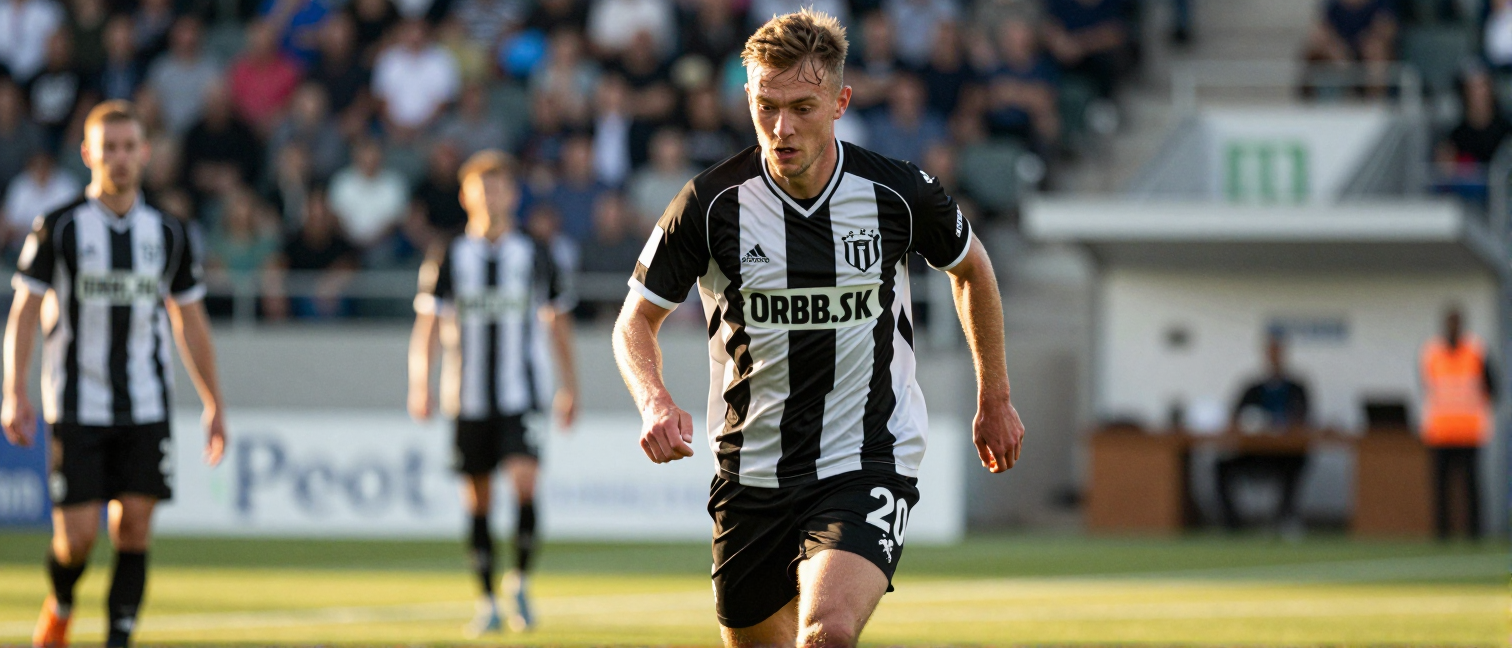
In their recent outings, Orebro SK predominantly employed a 4-3-3 formation, which has allowed them to adopt a dynamic approach in both attacking and defensive phases. The front three, spearheaded by K. Dickson, have showcased their flair and creativity, often linking up effectively with the midfield. However, the lack of synergy with the defensive line has at times exposed vulnerabilities, particularly when transitioning from attack to defense. The midfield, while industrious, often appears disconnected from both the forwards and the defenders, leading to gaps that opponents can exploit.
Suggested Adjustments
To build a more cohesive unit, one of the key adjustments Orebro SK should consider is adopting a 4-2-3-1 formation. This shift could provide greater stability in the midfield, with two holding players offering support to the backline while also facilitating the transition play. By utilizing a double pivot, Orebro SK could enhance their ball retention, allowing for more controlled build-up play and reducing the risk of counter-attacks that have proven to be a thorn in their side.
Moreover, integrating a more fluid attacking strategy could be beneficial. Encouraging the wingers to cut inside and create overloads in the central areas would not only provide more options for K. Dickson but also allow overlapping runs from the full-backs to stretch the opposition and create space. This tactical fluidity would make Orebro SK’s attack less predictable and more challenging to defend against.
Defensive Cohesion
Defensively, one key focus should be on improving communication and coordination among defenders. Giuseppe Bovalina has been pivotal in anchoring the backline, but clearer roles and responsibilities among the defenders can significantly enhance their collective performance. Implementing a zonal marking system during set pieces could also mitigate the risk of conceding from corners and free-kicks, an area where Orebro SK has been vulnerable this season.
Conclusion
As Orebro SK gears up for the next phase of the League, these tactical adjustments could serve as a catalyst for improved performances. By reinforcing their midfield structure and promoting a more versatile attacking style, Svartvitingarna can capitalize on their existing strengths while addressing the weaknesses that have hindered their progress. With these tweaks, Orebro SK not only aims to solidify their position in the League but also to cultivate a tactical identity that embodies resilience and creativity on the pitch.