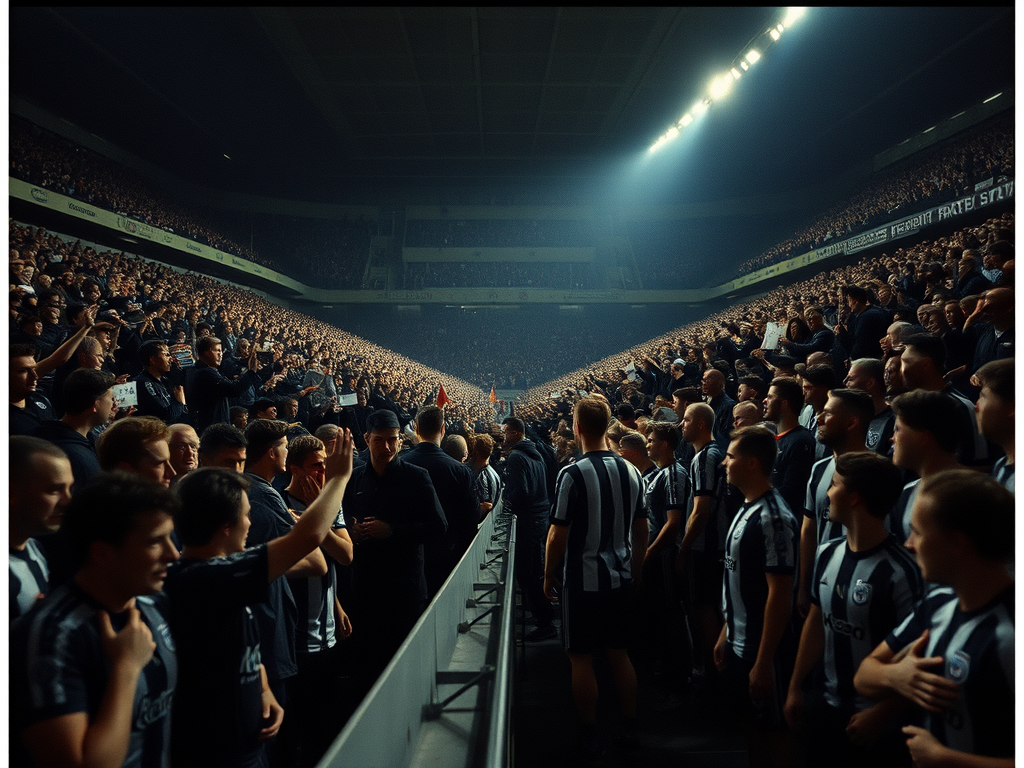
 Orebro SK Hub
Three. That's how many clean sheets Orebro SK has registered in the last twelve outings , and the data says it isn't an accident. Central to this success is the tactical deployment of a 4-3-3 formation, allowing both flexibility and fluidity in attacking plays. On a breezy afternoon at home against their rivals, these strategies were on full display.
The structure relies on the width provided by the wingers, particularly with K. Dickson on the left, who often cuts inside to create scoring chances. His pace and dribbling create width while simultaneously forcing defenders to commit, opening lanes for central forwards like K. Holmberg. On the right flank, H. Söderström's ability to stretch the pitch effectively complements Dickson's style, allowing Orebro SK to maintain pressure over 90 minutes.
Meanwhile, the three-man midfield forms the backbone. N. Almkvist and H. Söderström are tasked with not only defending but also transitioning quickly into attack. This dual role adds an exciting dimension, enabling the team to counter swiftly upon regaining possession. Their adaptability has been pivotal, especially in matches where tempo fluctuates.
Orebro SK's 4-3-3 formation enhances their attacking prowess while providing defensive solidity, leveraging the individual strengths of its key players like N. Larsson and J. Ojrzyński in goal. Their ability to communicate effectively behind the defense plays a critical role in executing successful counterattacks. The next match against Degerfors IF will be a true test of this formation's endurance and tactical depth, as opponents seek to exploit any weaknesses.