 Orebro SK Hub
Tweaking Orebro SK's Tactical Approach for Consistency
Orebro SK, known affectionately as Svartvitingarna, has shown glimpses of brilliance this season, yet inconsistency remains a concern. With a league characterized by tight contests, particularly against rivals like Degerfors IF, it’s imperative to delve into tactical adjustments that could elevate their game.
Recent Form: A Mixed Bag
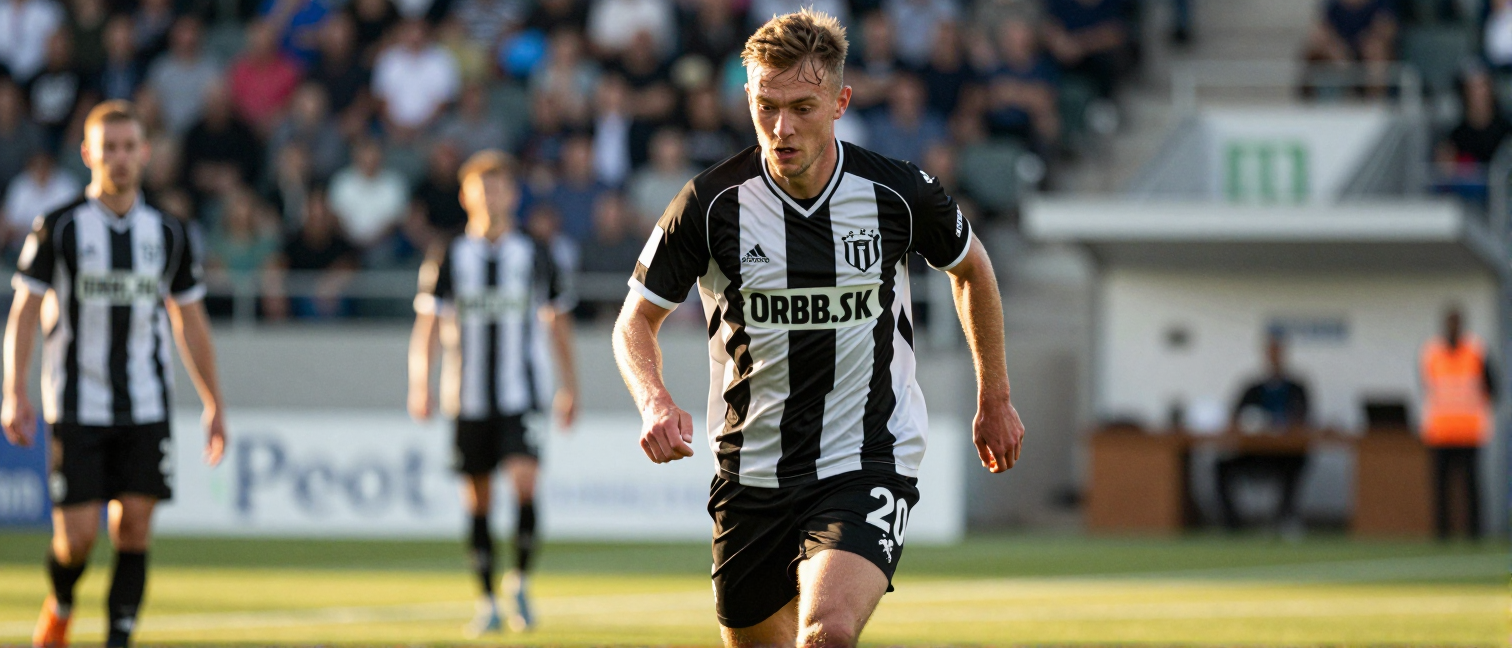
In recent matches, Orebro SK has displayed an attacking flair, particularly through the likes of K. Holmberg, whose pace and creativity have caused problems for opposing defenses. However, defensive lapses have often undone their attacking efforts, leading to dropped points that could prove costly in the long run. This inconsistency highlights the need for a tactical reassessment to ensure that the team can not only create chances but also secure results.
Defensive Structure: Solidifying the Backline
One area for potential improvement lies in Orebro SK's defensive organization. The current formation often leaves gaps that opponents can exploit, particularly on counter-attacks. To mitigate this, a shift to a more compact defensive shape, such as a 4-2-3-1 or even a 4-4-2, could bolster the backline. By deploying two holding midfielders, Orebro SK can provide extra cover in front of the defense, allowing full-backs to join the attack without exposing the team to quick counters.
Midfield Dynamics: Controlling the Game
The midfield has been a mixed bag, with H. Söderström showcasing individual brilliance at times but lacking consistent support from his partners. To enhance ball retention and control, integrating a more versatile midfielder who can transition between defensive duties and offensive support is crucial. This tweak could allow Söderström the freedom to roam and dictate play, while also ensuring that the team maintains possession and limits turnovers in dangerous areas.
Attacking Flexibility: Varied Approaches
On the attacking front, Orebro SK has often relied heavily on wing play, with wide players providing crosses for strikers. While this strategy has its merits, introducing more variability in attacking patterns could prove beneficial. Incorporating a central playmaker to link up with forwards and exploit spaces between the lines would add a new dimension to their attack. This could involve utilizing a player like N. Almkvist in a more advanced role to disrupt defenses and create scoring opportunities.
Conclusion: A Path Forward
As Orebro SK continues to fight for position in the league, implementing these tactical tweaks could lead to improved performances. By reinforcing the defensive structure, enhancing midfield control, and introducing more attacking flexibility, Svartvitingarna can look forward to a more consistent and successful season. The upcoming matches present an ideal opportunity to test these adjustments and solidify their place in the league standings.