 Orebro SK Hub
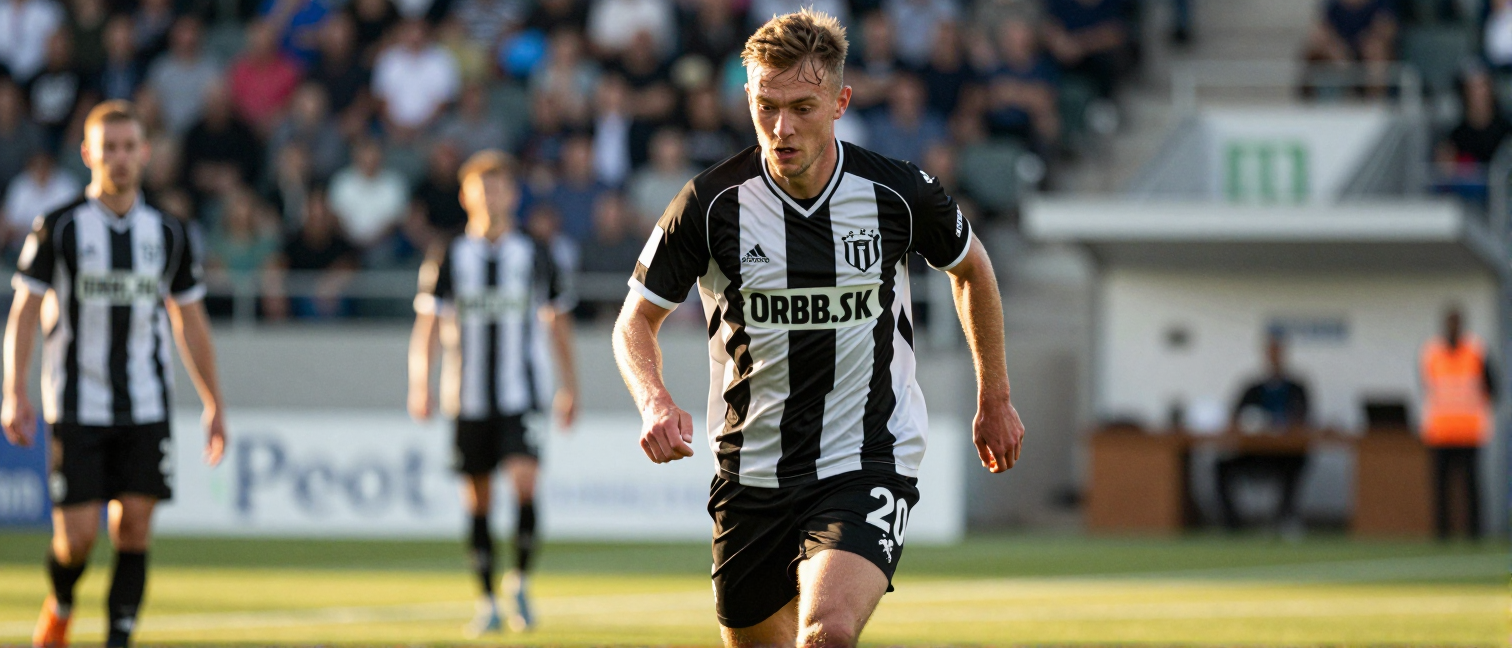
In recent weeks, Orebro SK, known as Svartvitingarna, has encountered a mix of results that has left fans both hopeful and concerned. While the squad showcases undeniable talent, there are tactical adjustments that can be made to elevate their game, especially as they prepare to face formidable opponents in the league. Here, we delve into the current tactical setup and propose some strategic tweaks that could yield better results.
Analyzing the Current Tactical Setup
Orebro SK has predominantly employed a 4-2-3-1 formation, which has provided a solid structure but at times lacks dynamism in the attack. The double pivot in midfield, featuring players like H. Söderström, has been effective defensively, but it tends to slow down transitions. The forwards often find themselves isolated, which hampers creativity and goal-scoring opportunities. Furthermore, the full-backs, while solid defensively, have not been able to contribute significantly to the attacking phase, leading to a lack of width.
Suggested Tactical Tweaks
1. Transitioning to a 4-3-3 Formation: One of the primary suggestions is to shift from the current 4-2-3-1 to a more fluid 4-3-3 formation. This would allow for three central midfielders to provide more control in the middle of the park while facilitating quicker transitions into attack. By incorporating a more attacking-minded midfielder alongside H. Söderström, Orebro SK can enhance their ability to press higher up the pitch and create more goal-scoring opportunities.
2. Enhancing Wing Play: To address the issue of isolation in the forward line, the wingers need to be more involved in the build-up play. Encouraging the wingers to cut inside or overlap with the full-backs can stretch the opposition defense and create space for the striker. This would not only diversify Orebro SK's attacking threats but also take advantage of the pace and technical abilities of the wide players.
3. Increased Pressing: Implementing a more aggressive pressing system could also be beneficial. By encouraging players to press higher up the pitch and win back possession in advanced areas, Orebro SK can capitalize on defensive mistakes from opponents. This tactic requires a high level of fitness and coordination but can lead to quick goal-scoring opportunities if executed effectively.
4. Flexibility in Attack: Allowing the central striker to drop deeper into midfield can create overloads in that area, further confusing defenders and creating space for onrushing midfielders. This fluidity in attack would make Orebro SK less predictable and more difficult for opponents to defend against.
Conclusion
As Orebro SK strives to regain momentum in the league, these tactical adjustments could prove pivotal. By shifting to a more dynamic formation, enhancing wing play, increasing the pressing intensity, and promoting flexibility in attack, Svartvitingarna can better utilize their squad's strengths. The fans are eager to see how these changes could reshape the team's fortunes as they look to climb the league table and challenge their rivals.