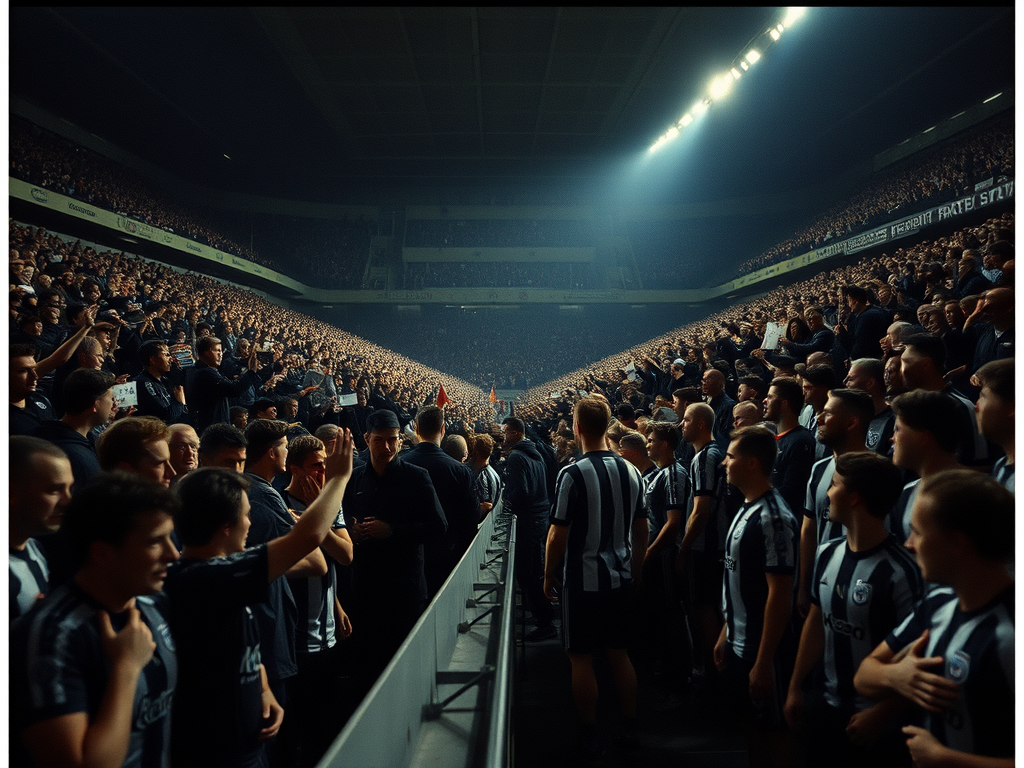
 Orebro SK Hub
In their recent outings, Orebro SK has displayed flashes of brilliance, yet inconsistencies in the final third have hindered their ability to secure crucial points. The attacking unit, while filled with talent, has often struggled to find the right balance between individual flair and collective cohesion. To address these issues, a few tactical tweaks could prove beneficial as Orebro SK aims to solidify its position in the league.
1. Fluidity in the Front Three
The current 4-3-3 formation has served Orebro SK well, but the roles within the front three can be made more dynamic. Encouraging the wingers to swap flanks more frequently could create confusion in the opposition's defense, as defenders may find it challenging to track players who shift positions. This movement not only opens up space but also allows players like K. Dickson to exploit mismatches against slower full-backs.
2. Midfield Linkage
Another area of focus should be the connection between the midfield and the attack. Currently, the midfielders are often too static, which results in a lack of options for the forwards. Introducing more vertical runs from midfielders into the attacking third can help create passing lanes and provide the strikers with better service. This could involve utilizing N. Larsson in a more advanced role, allowing him to engage directly with the front line while still being able to drop back when needed.
3. Incorporating Overlapping Full-Backs
The full-backs, particularly H. Söderström, have a crucial role to play in Orebro SK’s offensive strategy. By encouraging them to make overlapping runs, Orebro SK can create width and stretch the opposition's defensive lines. This not only provides additional crossing opportunities but also opens up space for the wingers to cut inside, creating goal-scoring chances. The combination play between the winger and overlapping full-back could be a key tactic that Orebro SK can exploit in upcoming fixtures.
4. Pressing Triggers
Defensively, Orebro SK has shown resilience, yet they can improve their pressing game to regain possession more effectively. Setting specific pressing triggers—such as when the ball is played back to the opposition's goalkeeper or when an opponent takes a heavy touch—can help the team regain control quickly and create immediate counter-attacking opportunities. This proactive approach could also disrupt the flow of play for opponents, giving Orebro SK a tactical advantage.
5. Set-Piece Strategies
Lastly, set-pieces remain an underutilized aspect of Orebro SK’s game. By varying their routines and introducing more movement in the box, Orebro SK can become more dangerous from corners and free-kicks. Training sessions should focus on rehearsing different scenarios and designs, allowing players to adapt and react to the situation on the pitch. Given the physical presence of players like Giuseppe Bovalina, targeting him in set-piece situations could yield dividends.
Conclusion
As Orebro SK strives to climb the league table, implementing these tactical tweaks can enhance their offensive play and overall cohesion on the pitch. With the right adjustments, Svartvitingarna can become a more formidable force, capable of challenging for the top spots in the league. The upcoming matches will provide valuable opportunities to test these strategies and solidify Orebro SK's identity as a dynamic attacking team.